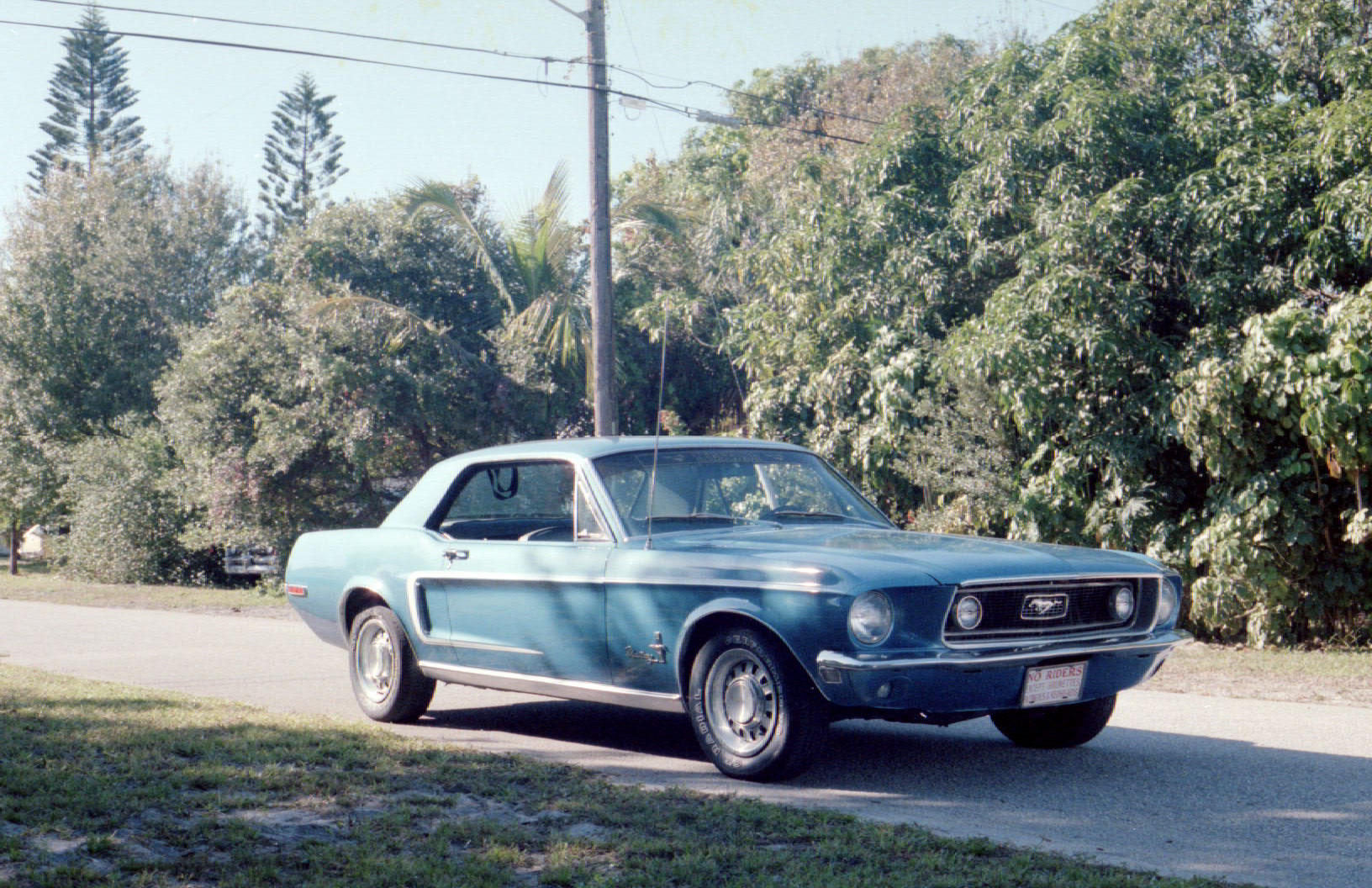
1968 Ford
Mustang
Condition
Good
Safe Transaction Recommended
We recommend using Escrow.com for safe transactions. Escrow protects both parties: the buyer's payment is held securely until the vehicle is received and inspected, and the seller is guaranteed payment once the buyer approves.
Description
This 1969 Ford Mustang Coupe Sprint is a well-presented example of a unique and lesser-seen Mustang variant. The Sprint package was a special appearance option offered by Ford, typically featuring distinctive exterior striping, badging, and trim accents that set it apart from standard coupes, giving the car a sportier and more eye-catching look. Finished in classic Mustang styling, this example benefits from new tires, factory air conditioning, and a rust-free body, making it an excellent driver or weekend cruiser. The car has been well maintained and presents nicely throughout, with solid body lines and a clean overall appearance. The combination of its Sprint package heritage, desirable factory A/C, and strong condition makes this Mustang a great opportunity for someone looking to enjoy a classic that stands out just a bit more than the rest.
AI-powered insights for the 1968 Ford Mustang
When considering a 1968 Ford Mustang, especially one with 85,000 miles, a thorough inspection is paramount. Begin with the body, as rust is the primary enemy of these vintage Fords. Pay close attention to common rust areas: floor pans, torque boxes, frame rails, cowl, lower rear quarters, wheel wells, and the trunk floor. Check for signs of previous rust repair, such as excessive body filler or inconsistent panel gaps, which could indicate a poorly executed restoration or accident damage. Ensure the doors, hood, and trunk lid open and close smoothly, and that all glass is intact and seals properly. The 'good' condition claim needs to be verified against these critical structural points to avoid costly surprises.
Mechanically, the 289 cubic inch V8 is a robust engine, but at 85,000 miles, it's crucial to assess its health. Look for oil leaks, listen for unusual noises (knocks, ticks, or excessive valvetrain clatter), and check for proper oil pressure and temperature. The 3-speed automatic transmission should shift smoothly without hesitation or harshness; test it through all gears. Inspect the suspension components for wear, including ball joints, bushings, and shocks, as these significantly impact ride quality and safety. Brake components (lines, calipers/wheel cylinders, master cylinder) should also be thoroughly checked for leaks or excessive wear. Finally, verify all electrical components, including lights, gauges, heater/AC (if equipped), and radio, are functional, as electrical gremlins can be time-consuming to resolve.