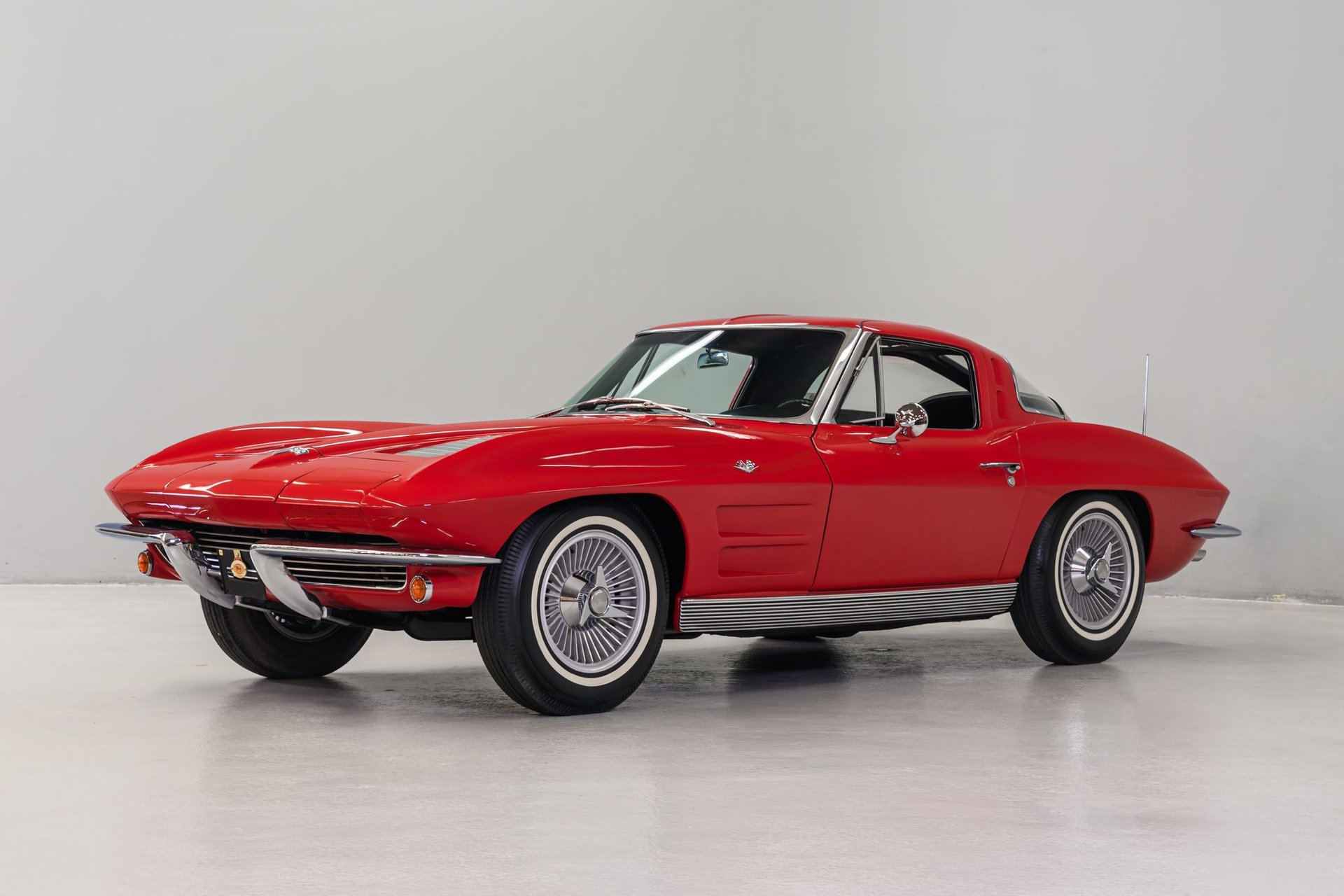
1963 Chevrolet
Corvette Stingray
Condition
Good
Safe Transaction Recommended
We recommend using Escrow.com for safe transactions. Escrow protects both parties: the buyer's payment is held securely until the vehicle is received and inspected, and the seller is guaranteed payment once the buyer approves.
Description
The 1963 Chevrolet Corvette Stingray is one of the most recognizable sports cars in history. This split-window coupe features the iconic design by Larry Shinoda. Powered by a 327 cubic inch V8 engine paired with a 4-speed manual transmission. The car has been repainted in its original color and features a restored interior. A true American icon.
AI-powered insights for the 1963 Chevrolet Corvette Stingray
When considering a 1963 Chevrolet Corvette Stingray, especially one in 'Good' condition, a thorough inspection is paramount. The 1963 model is unique as it's the only year for the split-window coupe, making it highly desirable. First, meticulously inspect the fiberglass body for signs of repair, stress cracks, or inconsistent panel gaps, particularly around the bonding strips. Look for evidence of previous accidents, which can compromise structural integrity. Pay close attention to the birdcage (the steel framework under the fiberglass) for rust, especially in the door pillars, windshield frame, and rocker panels, as this is a common and costly issue. Ensure the unique 'split window' glass is original and free of significant damage, as replacements are difficult to source and expensive.
Mechanically, the 327ci V8 engine should be scrutinized for leaks, proper compression, and any unusual noises. Verify that the engine is period-correct, and ideally, numbers-matching to the car for maximum value. The 4-speed manual transmission should shift smoothly without grinding or excessive play. Inspect the suspension components for wear, including bushings, shocks, and leaf springs, as these cars are known for their independent rear suspension issues if not maintained. Check the braking system for proper function and any signs of fluid leaks. Electrical systems can be finicky in older Corvettes, so test all lights, gauges, and accessories. Finally, examine the interior for originality, condition of upholstery, dashboard, and carpets, noting any modifications or wear that would detract from its value. Documentation, including service records and ownership history, is invaluable for verifying authenticity and maintenance.
Red flags include a repaint hiding significant body damage, a non-original engine or transmission without proper documentation, extensive rust in the birdcage, or a car with a vague history. Be wary of a car that has been 'restored' without photographic evidence or receipts, as this can often mask underlying issues. A pre-purchase inspection by a Corvette specialist is highly recommended, as they can identify subtle problems that might escape a less experienced eye. Ensure all unique 1963 features, such as the specific hood grilles and interior details, are present and correct.